

Joint hypermobility is often misunderstood as simply being flexible. This piece examines why joints can feel unstable, how this relates to Ehlers–Danlos syndrome, and why building strength and control plays a central role in supporting long-term stability.
Category archives: Pain Management
Recovery From Sciatica
Recovery from sciatica often involves gradual movement and rehabilitation exercises. This article outlines recovery expectations, types of exercises commonly used, and practical advice on pacing activity during recovery.
All About Men: That Stiff Back Might Not Be About Your Back at All

“My back’s killing me.” It’s one of the most common complaints I hear from men, whether in a clinic or during rehab. But often, the back isn’t the real issue.The problem often starts lower down, usually with the pelvis, hips, or another area not functioning correctly. When that happens, the back picks up the slack, […]
All About Men: The Midlife Male Body: Decline or Redesign?

Midlife can feel like a crossroads. Energy dips. Recovery slows. Muscles don’t respond the way they used to. It sounds like a decline, but it doesn’t have to be that way.What if this is the moment to redesign how you live in your body? I’ve seen it happen. When men start listening instead of pushing, […]
All About Men: How the Body Shows What Men Don’t Say

We all know the stereotype. Men don’t talk about their feelings. But in clinic, I hear plenty, not always through words but through tight shoulders, sore backs, and bodies that feel worn down.The signs are everywhere: clenched jaws, unsettled guts, restless sleep. It’s easy to dismiss them as signs of age or poor posture, but […]
Osgood-Schlatter Disease: Knee Pain in Active Children and Teenagers

I see many teenagers with pain just below the knee. Often they arrive convinced they have injured something. Their parents are worried, coaches are asking questions, and an important match or competition is coming up.
Spinal Injections: Are They Right for You?

If you’ve been living with persistent back or neck pain that isn’t responding to hands-on treatment, medication, corrective exercise, or lifestyle changes, you might have been offered a spinal injection as a treatment option, but is that the right next step for you?
Carpal Tunnel Syndrome: Symptoms, Causes and Treatment Options
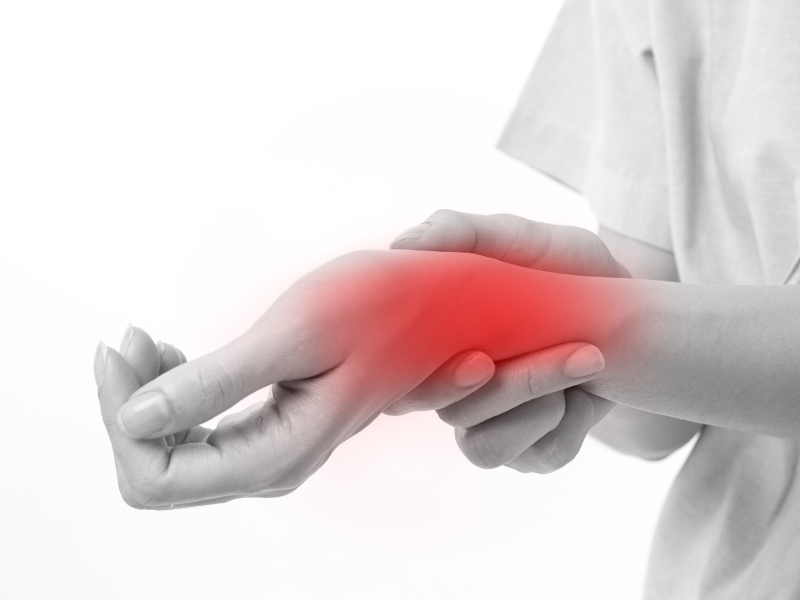
Carpal Tunnel Syndrome (CTS) is a painful condition caused by compression of the median nerve as it passes through a narrow tunnel in the wrist. It’s often linked to repetitive movements, such as typing, using tools, or even hormonal changes.
How Stress and Emotions Affect the Body

Have you ever noticed your stomach twisting before a big event or your shoulders creeping up towards your ears when you’re stressed? That’s your body responding to your emotions. Feelings aren’t just in our heads—they show up physically, shaping the way we move, breathe, and even digest food. Understanding these signs can help us manage […]
From Midlife and Beyond: How Hormonal Changes Impact Your Muscles, Joints, and Bones

Menopause is a natural part of ageing, but it’s often associated only with symptoms like hot flashes and mood swings. What many don’t realise is that menopause can also significantly affect the muscles, joints, and bones. This section explores the musculoskeletal impacts of menopause and the emerging recognition of Musculoskeletal Syndrome of Menopause. What is […]
Spinal Stenosis
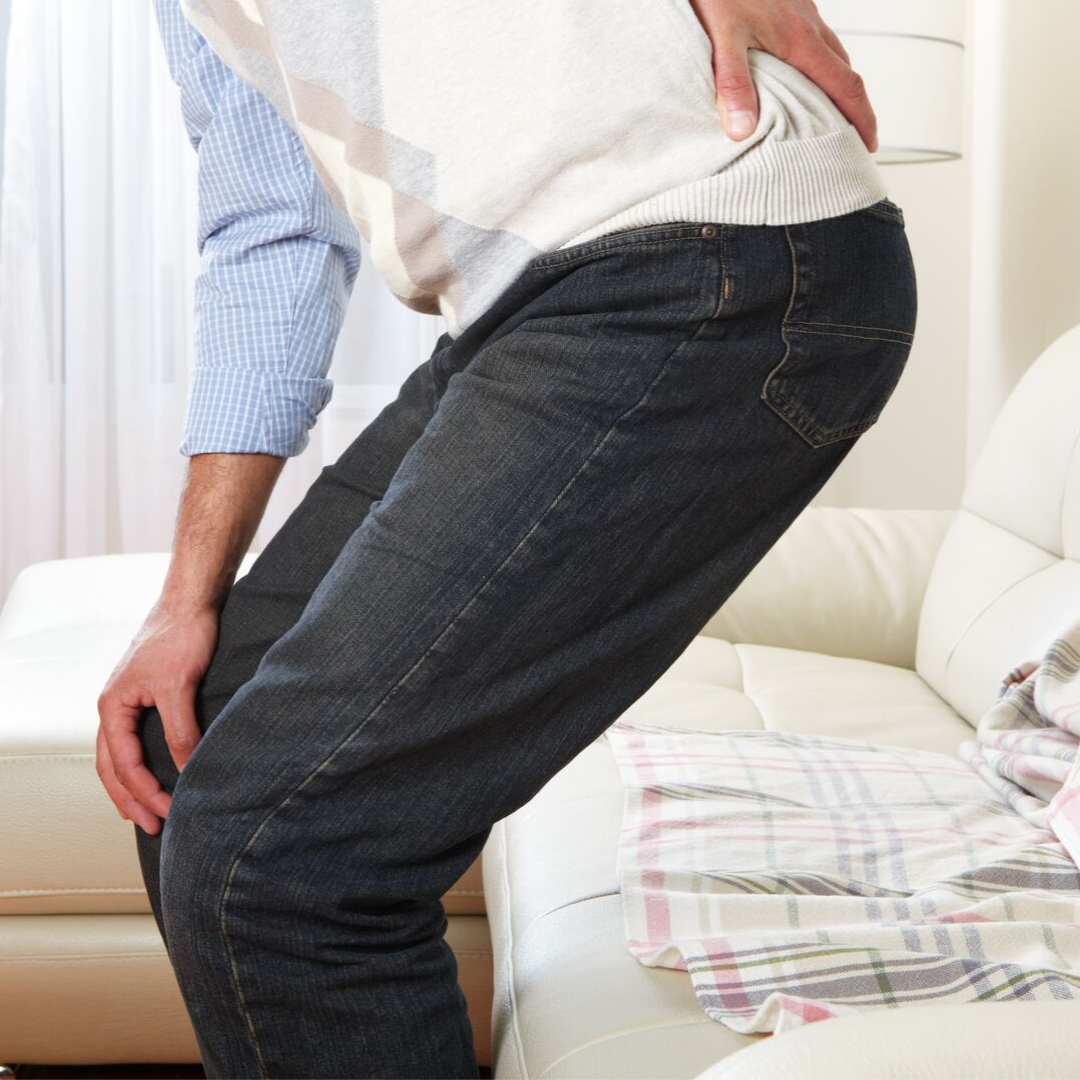
Spinal stenosis is a common back condition where the nerve roots or the spinal cord become pinched or compressed because the spaces within the spinal canal narrowing. It affects men and women in equal numbers, and around 10% of the UK population is believed to be living with this condition. Who gets it, are you […]
Restless Leg Syndrome
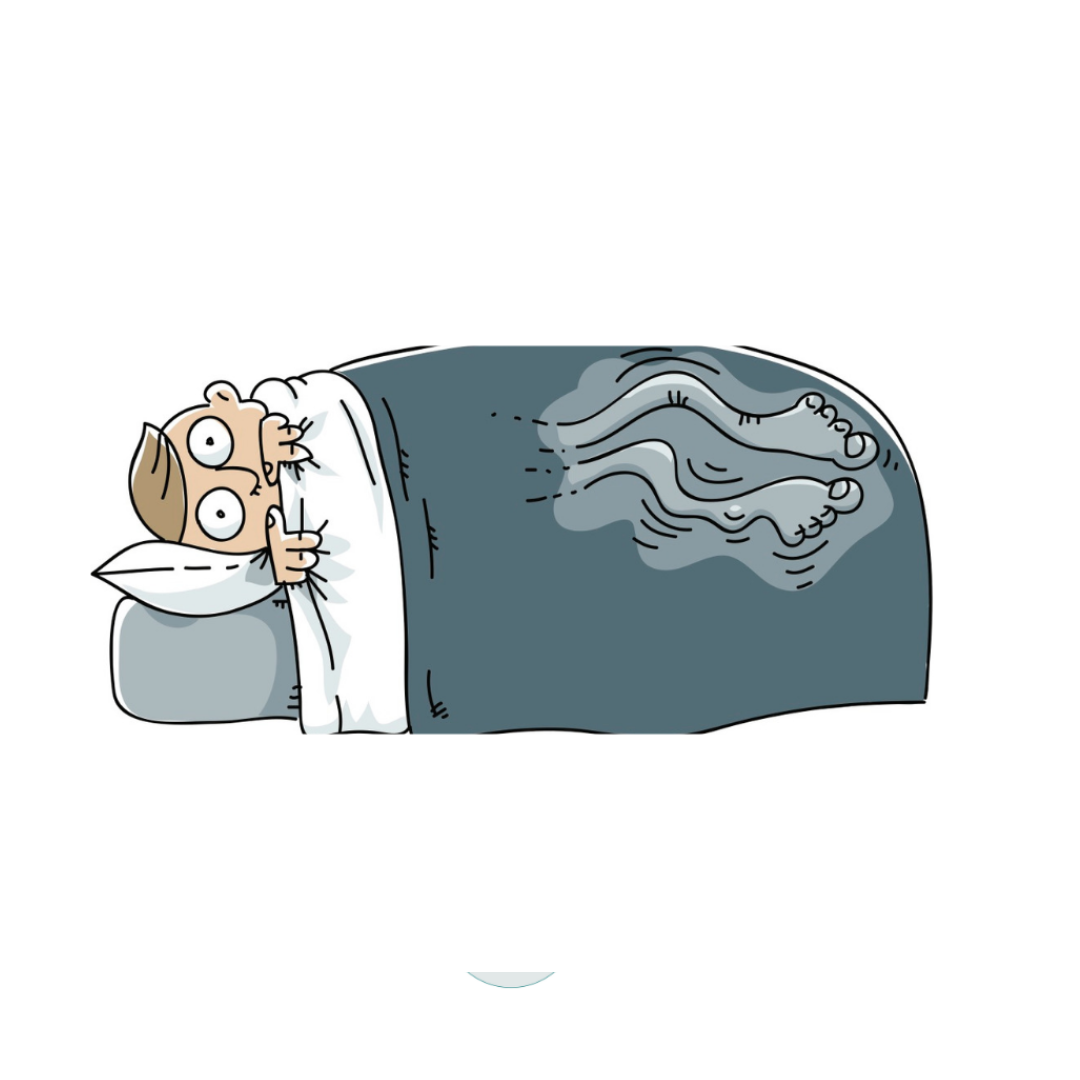
Restless leg syndrome is a nighttime condition of unpleasant sensations in the legs. This could be cramps, aching, pain, tingling or burning. Restless legs syndrome is also known as Willis-Ekbom disease, a common condition of the nervous system that causes an overwhelming, irresistible urge to move the legs.
Dietary fibre, explained.

Getting enough fibre in the diet is essential for health as research has shown that besides reducing constipation, it can help with weight management, may lower cholesterol levels and reduce the risk of diabetes, heart disease and bowel cancer. Dietary fibre is a type of complex carbohydrates found in plant-based foods that our digestive system […]
Irritable bowel syndrome
Irritable bowel syndrome (IBS) is a long-term condition of the digestive system that causes episodes of abdominal cramps, bloating and changes in bowel movements. IBS is the name doctors give to a collection of otherwise unexplained symptoms relating to a disturbance in the digestive system and bowels habits. IBS is an illness that has no […]
Navigating the forest of life: Managing the stress response.

Pressure and stress are essential; they touch every aspect of our everyday life; helping us complete tasks, allowing us to learn new things and to be creative, and one is needed for our survival. There is an optimum level of pressure that brings about our best performance, allows us to take on new challenges hit […]
Understanding Coeliac Disease: What You Need to Know

Coeliac disease is a lifelong autoimmune condition triggered by a reaction to gluten. It’s surprisingly common, affecting 1 in 100 people, but many are living with the condition undiagnosed.
Coccyx pain explained

The tailbone, or coccyx, sits at the very bottom of your spine, just below the sacrum. It’s a small, triangular bone that looks like a tiny tail. The coccyx comprises 3 to 5 small bones, called coccygeal vertebrae, which are held together by ligaments.
Calming the monkey mind

Mindfulness and meditation are everywhere; it’s being offered as a cure-all for everything from IBS and low-self esteem to help pain management and depression. There is good science to confirm the benefits, and growing research shows that when people train to be more mindful, they are rewiring the physical structure of their brain, but what […]
The Vagus Nerve, and your health
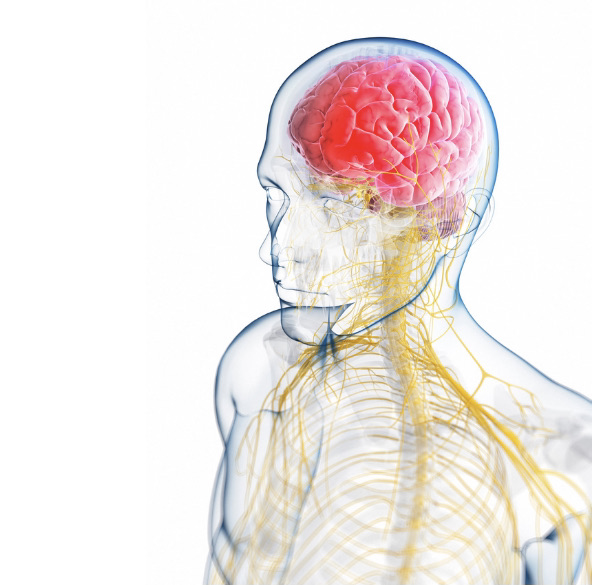
Like a super spy, the vagus nerve wanders around the body, reporting back to the brain subconsciously (secretly) with constant updates on what’s going on in our body. It is part of our protective stress response, noticing facial expressions, responding to people’s voices and monitoring our internal organs.
The Vagus Nerve, explained

The vagus nerve is the inner nerve centre leader, also known as the 10th cranial nerve or cranial nerve X. It’s the longest of the 12 paired cranial nerves in the body and has the most extensive distribution because it passes through the neck and chest into the abdomen. The vagus nerve controls the entire […]