Do you ever wake up exhausted, only to find yourself wide awake at 3 am? Or reach for sugar when you are already stressed? That might be cortisol at work.
Cortisol is often called the stress hormone, and it usually gets a bad press. It is blamed for belly fat, poor sleep, and that frazzled, on-edge feeling. But here is the thing: cortisol is not the villain. Without it, you would not even get out of bed in the morning. The real problem is when cortisol slips out of rhythm.
What Is Cortisol?
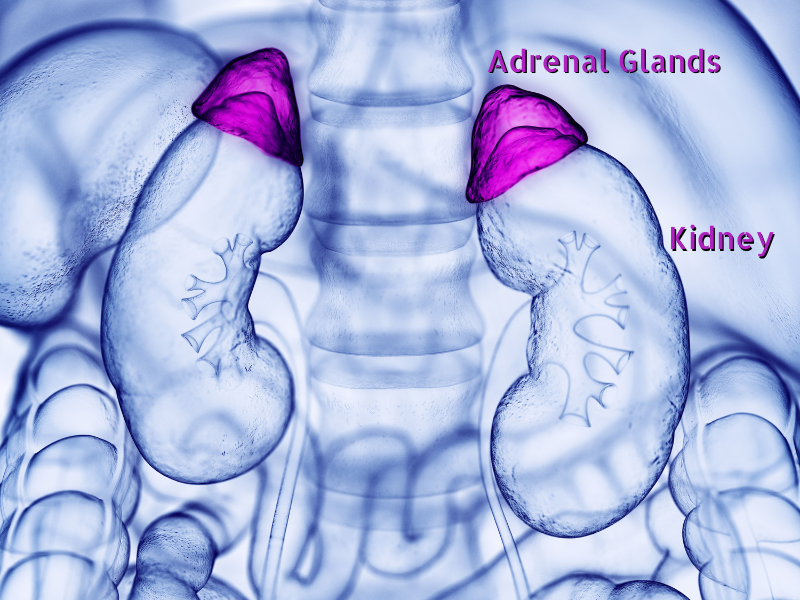
Cortisol is a hormone. Hormones are chemical messengers that travel in your blood and tell different parts of your body what to do. It is made in two small glands that sit just above your kidneys, called the adrenal glands. Most people know it as the stress hormone, but it also plays a big role in your energy levels, immunity, and sleep.
What Cortisol Does?
Cortisol plays a vital role in:
- Regulating blood pressure
- Managing inflammation
- Controlling how your body uses food for energy
- Helping you wake up in the morning and sleep at night
- Giving you an energy boost when you need it most
Think of cortisol as your internal alarm. If you had to sprint across a road to avoid a car, cortisol would release sugar into your blood and sharpen your reactions. Once the danger passes, levels should drop back to normal.
The Daily Rhythm
Cortisol follows a natural cycle. It peaks in the morning to help you get up and moving, then gradually falls during the day. By night, it should be at its lowest so you can sleep.
If this rhythm is disrupted, life feels harder. High cortisol at night makes it tough to switch off. Low levels in the morning can make getting out of bed feel like climbing a mountain.

When stress goes on too long
Our bodies are built for short bursts of stress, not for the constant pressures of modern life. When cortisol stays high for too long, it can cause:
- Restless or broken sleep
- Food cravings and weight gain around the middle
- Low mood or anxiety
- Muscle loss and fatigue
- Rising blood pressure
Over the years, this stress load can raise the risk of diabetes, heart disease and depression.
The other side: too little cortisol
Low cortisol is less common but still disruptive. It can leave you drained, dizzy, and unable to handle even minor stresses. This may be linked to adrenal conditions, but it can also happen after long-term exhaustion or burnout.
Signs your cortisol may be out of balance
- Constant tiredness even with rest
- Difficulty falling asleep, or waking in the small hours
- Feeling wired but exhausted
- Strong sugar or caffeine cravings
- Getting every cold going, or slow recovery from illness
- Feeling low, irritable, or unmotivated
If some of these ring true, it may be time to look at how stress is showing up in your life.

Food and nutrients that support cortisol balance
What you eat has a significant effect on how your body manages stress.
Include plenty of:
- Complex carbohydrates like whole grains, vegetables and pulses
- Protein from lean meats, beans, eggs or fish
- Healthy fats such as avocado, olive oil, nuts and seeds
- Vitamin C-rich foods like citrus fruits, peppers and berries
- Magnesium-rich foods such as leafy greens, nuts and seeds
Best to limit:
- Excess sugar, refined carbs, processed snacks and trans fats
- Too much caffeine and alcohol, which can both raise cortisol and disturb sleep
What about supplements?
Some people find supplements like adaptogens (ashwagandha, Rhodiola), magnesium, omega-3s and vitamin C helpful for stress resilience. While adaptogens show promise, research is still developing. Use them thoughtfully and under professional guidance. If you take medication or have health conditions, always speak to a healthcare professional before starting supplements.
Practical ways to reset
The good news is that lifestyle changes really can help. You cannot remove every stress, but you can bring your system back into balance.
- Prioritise sleep: Keep regular bedtimes, make your room cool and dark, and take a break from screens before bed. Sleep is your best stress reset.
- Move wisely: Exercise lowers cortisol over time, but the type matters. Gentle movement like walking, yoga or Pilates is calming. Short bursts of more strenuous exercise are fine, but back-to-back high-intensity workouts can push cortisol higher.
- Steady your blood sugar: Balanced meals with protein, fibre, and healthy fats keep your energy even. Try not to run on caffeine and sugar, as they only push your stress system harder.
- Breathe and pause: Five slow breaths in and out through your nose can signal to your body that the emergency is over. Small moments like this build resilience.
- Stay connected: Time with people you trust lowers stress hormones. A chat with a friend can calm your nervous system more than you might realise.
- Lighten your load: Sometimes the answer is not another wellness trick but cutting back. Notice what drains you, and see where you can make space.

Quick guide: Spotting and resetting cortisol
5 signs cortisol may be out of balance
- You feel constantly tired, even with rest
- You wake at 3 am and cannot get back to sleep
- You feel “tired but wired” at the same time
- You crave sugar or caffeine to keep going
- Your mood is low, irritable, or flat
3 quick ways to reset
- Go to bed at the same time each night
- Take a brisk walk or do gentle stretching daily
- Try five slow breaths whenever you feel stress rising
When to seek professional help
If fatigue, weight changes, mood swings, or blood pressure problems are ongoing, speak to your GP. Blood tests can check whether cortisol itself is an issue or if something else is driving your symptoms.
A final thought
Cortisol is not your enemy. It is a finely tuned system that helps you survive, adapt, and recover. The problem comes when stress keeps hitting the alarm button. With the right support, sleep, food and movement, your body can restore balance. Resilience is built in. Sometimes it just needs a reminder.
Invitation: Choose one small step this week, go to bed half an hour earlier, swap one sugary snack for a protein-rich one, or pause for a few calming breaths. Small shifts add up.
Resources: books, podcasts
If you want to dive deeper into cortisol and stress management, here are some recommended resources:
Why Zebras Don’t Get Ulcers by Robert Sapolsky is a classic book explaining stress and cortisol in a relatable way
The Huberman Lab Podcast, neuroscientist Andrew Huberman explores stress, hormones, and brain and body health. Episodes are science-based and typically last around two hours +.
The Happiness Lab Podcast with Dr Laurie Santos explores science-backed ways to improve wellbeing and manage stress.
Optimal Health Daily Podcast shares short, actionable episodes on health, nutrition, and stress management.
References
Lightman, S. L., Klaas, S., Upton, T. J., et al. (2025). Awakening is not associated with an increased rate of cortisol secretion. Proceedings of the Royal Society B.
Chawla, S., & Singh, M. (2023). Effectiveness of stress management interventions to change cortisol levels: A systematic review and meta-analysis. Psychoneuroendocrinology.
Verywell Health (2024). How to lower cortisol.
EatingWell (2025). 5 foods that may raise your cortisol levels.